Home » Compounded Medications » Transdermal / Topical Pain Medications
Transdermal / Topical Pain Medications
Take a tour of our accredited compounding labs.

Pain Therapy, Built Layer by Layer for the Skin
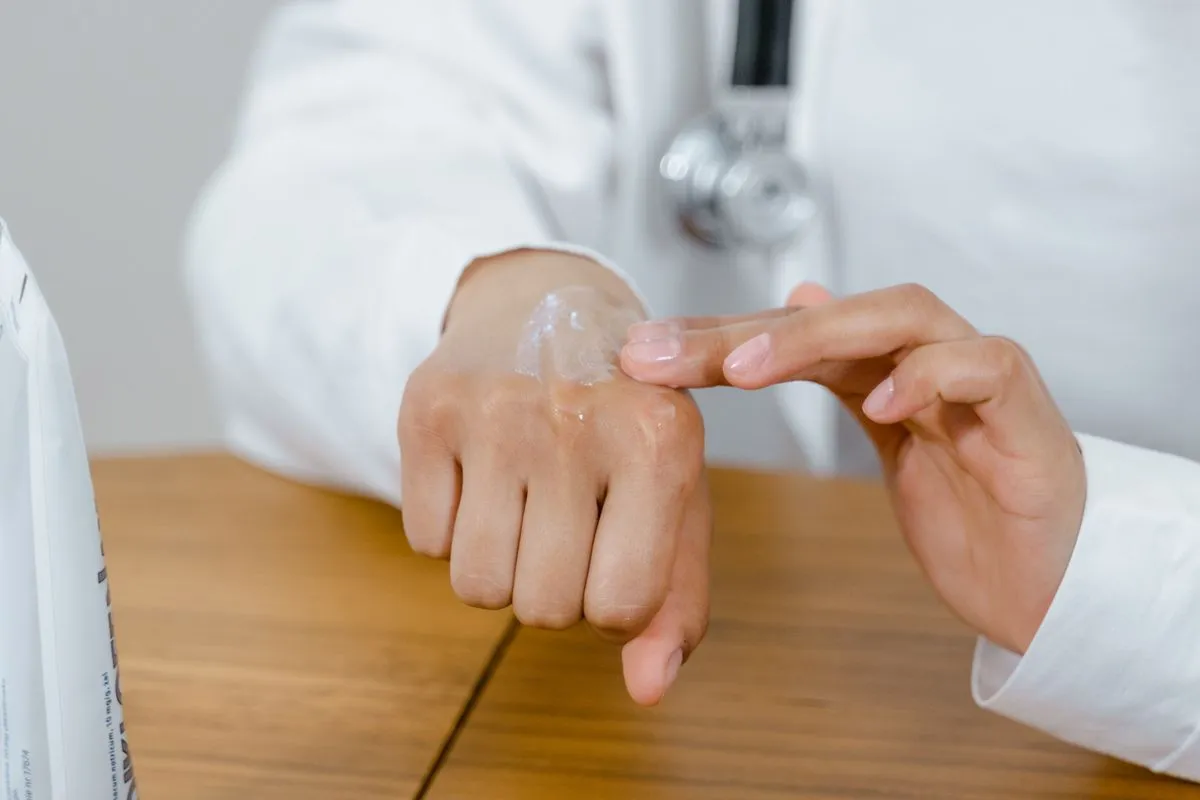
We formulate topical pain creams by combining active drugs, each with its own mechanism of action, into Lipoderm, a transdermal base built to carry them through the skin to the tissue underneath.
Cream applied to skin: Epidermis | Dermis | Muscle | Joint Tissue
Each active ingredient carried through the skin to the target tissue
What the Base is Doing
A topical pain cream is only as good as the vehicle carrying it. Town & Country Compounding formulates each preparation in Lipoderm, a transdermal base designed to move active drug across the skin barrier and into the underlying tissue, rather than sitting on the surface or washing off before it can work.
Because Lipoderm is built for absorption, it can carry more than one active ingredient at a time. That means a single cream can be formulated to address inflammation, muscle tension, and nerve-related discomfort together, in one application, at the strengths a prescriber specifies for that patient.
A topical pain cream is only as good as the vehicle carrying it. Town & Country Compounding formulates each preparation in Lipoderm, a transdermal base designed to move active drug across the skin barrier and into the underlying tissue, rather than sitting on the surface or washing off before it can work.
Because Lipoderm is built for absorption, it can carry more than one active ingredient at a time. That means a single cream can be formulated to address inflammation, muscle tension, and nerve-related discomfort together, in one application, at the strengths a prescriber specifies for that patient.
Combining Mechanisms
One cream, several mechanisms of action
Pain has more than one source, so a formula can be built from more than one class of drug. Each of the following works differently in the body, and we can combine them in a single base at the strengths a prescriber calls for.
Anti-inflammatory agents
Act on inflammatory pathways at the site of injury to address swelling and related discomfort. E.g. diclofenac, ketoprofen
Local anesthetics
Work along nerve fibers to quiet the transmission of pain signals from the treated area.
e.g. lidocaine
Muscle relaxants
Target muscle tension and spasm that often accompany musculoskeletal injury.
e.g. cyclobenzaprine
NMDA receptor antagonists
Act on a different receptor pathway involved in the amplification of pain signals.
e.g. ketamine
Nerve pain agents
Address discomfort that originates from nerve tissue rather than muscle or joint structures.
e.g. gabapentin
Because each drug class reaches the body through a different pathway, combining them in one base lets a formula address inflammation, nerve signaling, and muscle tension at the same time, in proportions built around the individual patient rather than a fixed commercial ratio.
Vasceptor®
Anti-Pain/Anti-Inflammation Application
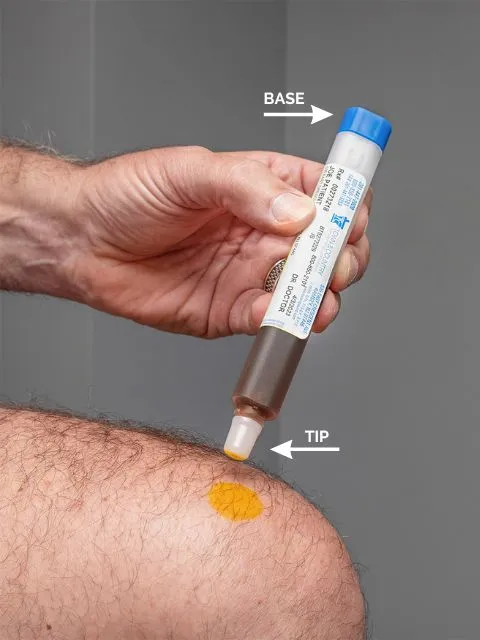
Vasceptor™ 8.5% topical/transdermal curcumin gel was developed with the intent to deliver the well-known anti-pain/inflammation benefits of curcumin. Active ingredient – curcumin 8.5%. Inactive ingredients: Myristic Acid; PEG.
Unlike traditional curcumin topicals, Vasceptor’s® patented formulation enables >100X more curcumin solubility. This facilitates substantially greater and sustained penetration deep into the skin versus conventional gel, cream or ointment technology.
Related Blogs

Related Pages