

Hot flashes and night sweats tend to get all the attention when people talk about menopause. But for many women, the first noticeable shift isn’t physical at all — it’s emotional. Increased irritability, anxiety, low mood, and a foggy, exhausted feeling that wasn’t there before.
Because these symptoms don’t come with an obvious physical trigger, they’re easy to attribute to stress, work, sleep, or “just getting older.” Without the more recognizable vasomotor symptoms as a clue, many women never connect the dots back to hormones at all — and end up living with mood changes that feel confusing and out of character, without realizing there may be a hormonal explanation.
What Recent Research Suggests
A retrospective study out of NYU Langone, published in Menopause, looked at women who started systemic hormone therapy and tracked their psychological symptoms over time using the Menopause Rating Scale.
The results were notable: scores for depressive mood, irritability, anxiety, and mental exhaustion improved significantly after starting therapy, and the share of women with severe psychological symptoms dropped from over 60% at baseline to about a quarter at follow-up. Sleep scores improved as well.

Interestingly, the improvement held up across subgroups — antidepressant use, history of anxiety or depression, age, and menopause stage didn’t change the pattern. Researchers pointed to estrogen’s known effects on brain activity and serotonin regulation as a possible mechanism, though they were careful to note that this was an observational study, so it can’t establish cause and effect on its own.
Other researchers in the field have pointed out that this kind of real-world data helps build the case for further randomized research, while adding to a growing body of evidence connecting estrogen and mood.
Mood-related symptoms aren’t currently an FDA-approved indication for hormone therapy, which is approved for vasomotor symptoms, genitourinary symptoms of menopause, and bone protection. But findings like these help explain why so many women notice a mood shift alongside — or even before — the more familiar signs of the menopause transition.
Why a Compounded, Individualized Approach Matters
No two patients experience hormonal change the same way, and no single dose or delivery method fits everyone. That’s where compounding offers a real advantage. At Town & Country Compounding, hormone therapy can be prepared in the form and strength that fits a patient’s specific needs, as prescribed by their provider:
- Transdermal creams and gels — applied daily, with dosing that can be adjusted as symptoms change
- Transdermal patches — a steady, low-maintenance option for consistent delivery
- Troches and sublingual dosage forms — an alternative for patients who prefer not to use a topical product
Because every preparation is made to order, providers can fine-tune hormone therapy around a patient’s symptoms, lab work, and response over time, rather than working within the limits of a single commercial strength or formulation.
Talk to Our Hormone Specialist
If mood changes, sleep disruption, or that general “not feeling like yourself” sense have shown up during perimenopause or menopause, it may be worth a conversation about hormones — even without the more classic symptoms.
Jari Becker, Town & Country Compounding’s Director of Women’s Health and resident hormone specialist, works directly with patients and their providers to talk through symptoms and hormone therapy options. Schedule a consult with Jari to find out whether a personalized, compounded approach could be part of the conversation.
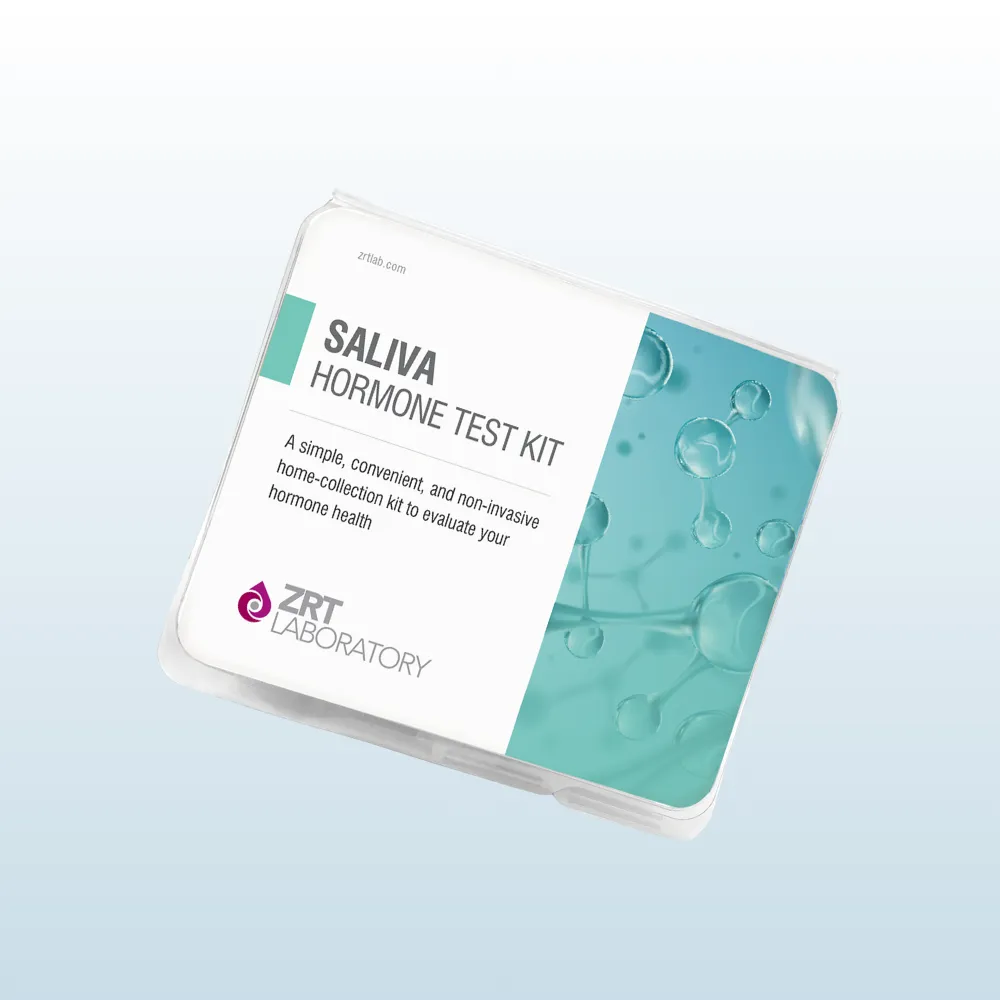
How do you order an at-home saliva hormone test kit?
Call 201.447.2020 ext 200 and have the kit delivered to you.
This content is for informational purposes and is not a substitute for medical advice. Hormone therapy should be discussed with and prescribed by a qualified healthcare provider.