

BHRT Resources


About BHRT
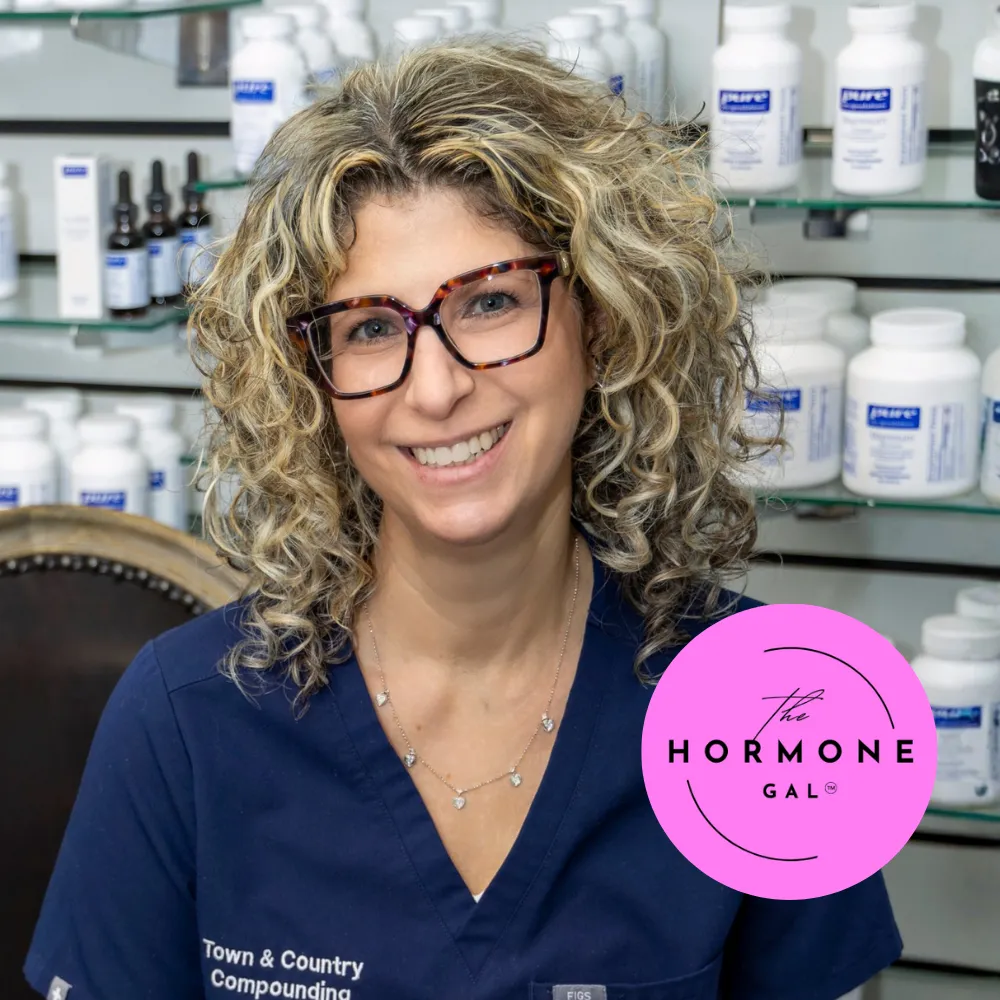
The Hormone Gal: Jari Becker, RPh
Director of Women’s Health and pharmacist Jari Becker, RPh gives her take on women’s health, offers her expertise, and invites you to join upcoming women’s events. She has connected women with answers about hormone imbalances, and guides prescribers through the untapped potential of bioidentical hormone replacement therapy (BHRT).
What Is Bioidentical Hormone Replacement Therapy (BHRT)?
Bioidentical vs Synthetic Hormone
Bioidentical Hormone Replacement Therapy (BHRT) refers to hormone therapies that use active ingredients with the same molecular structure as hormones naturally produced by the human body.
Bioidentical
Bioidentical hormones can be derived from plant substances such as soy or yam, and are natural in the sense that they are formulated in the lab to be biologically identical in molecular and chemical structure and function to hormones produced by the human body. Our body recognizes these bioidentical hormones as its own.
Synthetic
Synthetic hormones are synthesized to mimic innate hormones, but with slightly different chemical structures for convenience of pharmaceutical dosing and patentability by the pharmaceutical manufacturer. Synthetic hormones are not the same as the naturally-produced human hormones and often have unintended side effects.
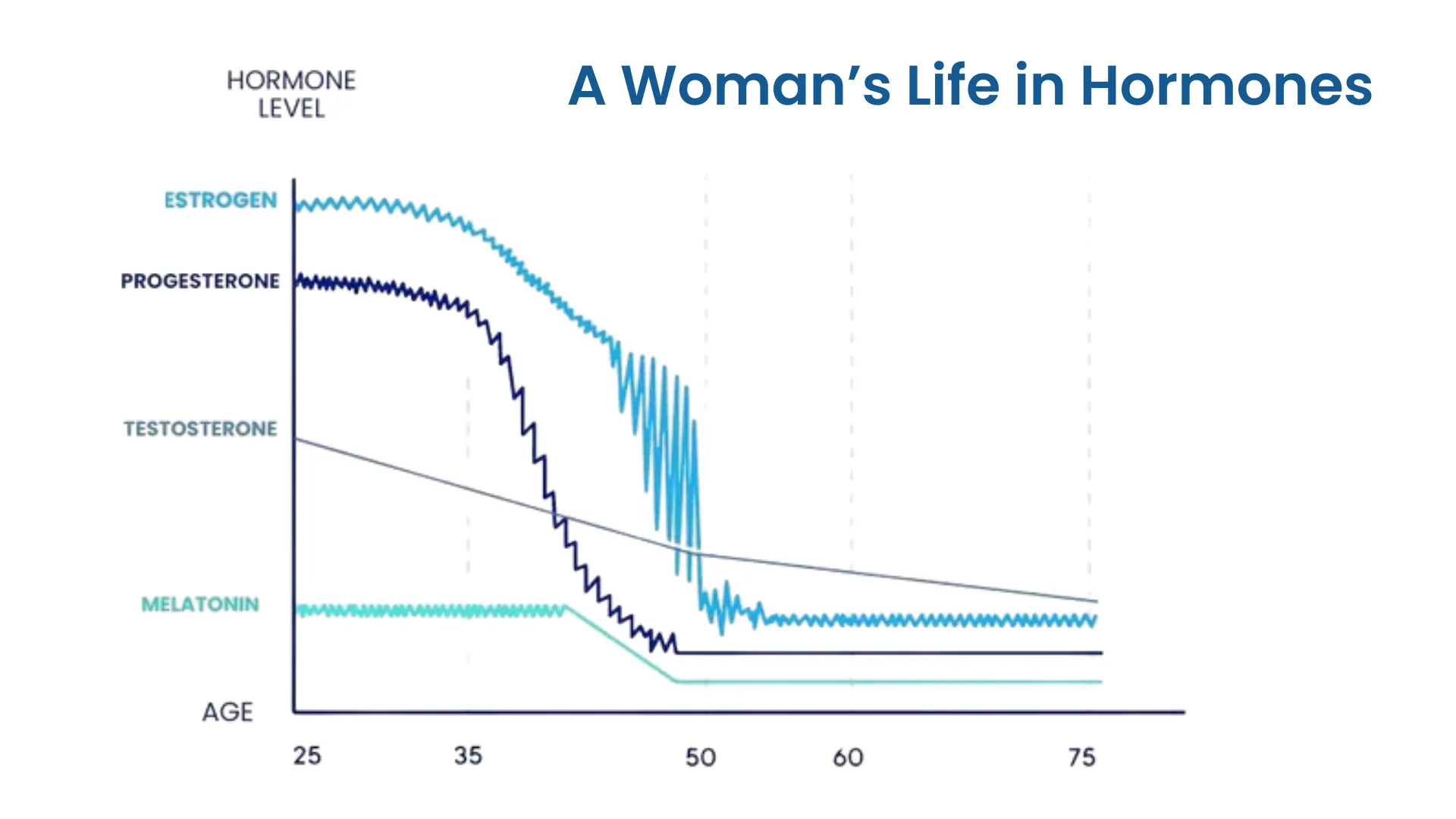
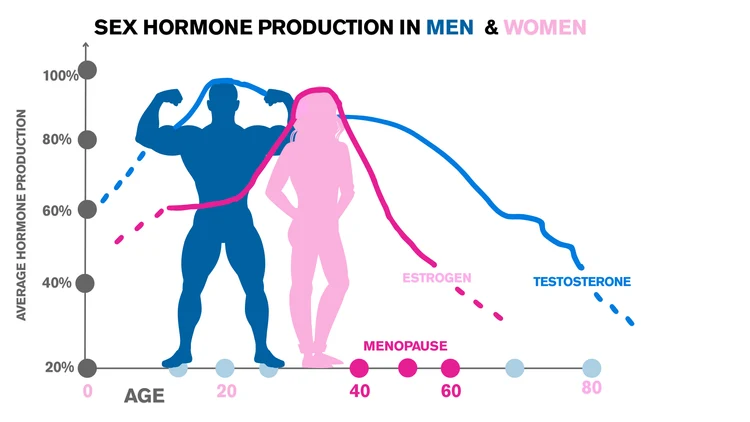
Hormone Production Naturally Declines With Age
Who May Benefit from BHRT?
Perimenopausal Women
Women in natural transition leading up to menopause, which last up to 10 years, who are experiencing fluctuating hormone levels and related symptoms.
Menopausal Women
Women seeking to replace declining hormone levels to support overall health and wellbeing, including benefits for brain, heart, bone, eye, skin, and metabolic health, as well as symptom relief.
Perimenopausal Women with Hormone Imbalances
Women with conditions such as premenstrual syndrome (PMS). polycystic ovary syndrome (PCOS), infertility, migraines, or premenstrual dysphoric disorder (PMDD).
Men with Low Testosterone
Men experiencing symptoms related to low testosterone levels who may benefit from hormone optimization.
What to Expect Once Starting the Therapy?
- Give at least a month to see how your body adjusts. Don’t give up even if you don’t feel perfect!
- It may take multiple dosage adjustments to find the perfect dose. Listen carefully to what your body says!
- The symptoms of hormone imbalances can overlap. An above-normal level of one hormone can present the same symptoms as a below-normal level of another. It is important to evaluate all of the hormones to determine which may need adjustment.
- If you are premenopausal or perimenopausal, you still have your hormones in addition to the hormone replacement. Your hormones are still constantly changing from month to month and this can also affect how you feel.
- Our gut makes hormones and it is responsive to hormones. Hormones help digestion, immune function, metabolism, growth, prevention of disease, and healing. Therefore, what you eat, nutrition and vitamins are very important.
Potential Benefits of BHRT as Shown in Studies:
Reduce risk osteoporosis and restore bone strength
Reduce incidents of hot flashes
Reduce vaginal dryness/thinning
Better maintenance of muscle mass and strength
Reduce risk heart disease and stroke
Improve cholesterol levels
Reduce the risk of depression
Improve concentration, memory, mental acuity
Common Hormones
3 main types of estrogens produced in our bodies:
- Estrone (E1)
- Estradiol(E2): Used topically, vaginally, or orally
- Estriol(E3): Often in vaginal creams and in combination with estradiol topically or orally
- Bi-est: A combination of estriol and estradiol
NOTE: Balancing levels of estrogen and progesterone are important, therefore commonly taken together
In menopause, progesterone production becomes minimal. Estrogen is still present, but at lower and less predictable levels.
Used for men AND women
- Testosterone is primarily
produced in the testicles and is a major male hormone - Women also produce
testosterone in smaller amounts through the ovaries - In certain cases, women in premenopause, perimenopause, or postmenopause may benefit from testosterone therapy
- The most abundant steroid hormone in the body and is produced by the adrenal glands and the brain
- Serves as a precursor, meaning it can convert into estrogen and testosterone in the body
- Levels naturally decline with age, beginning in the late 20s
- Physical and emotional stress can alter DHEA levels at any age
- Works synergistically with DHEA to support hormone balance
- Is a precursor hormone that can convert into DHEA, estrogen, progesterone, and testosterone
- Low levels may indicate increased stress and reduced cortisol production
Testosterone Therapy for Women: Why Dosing and Delivery Matter
Testosterone is often thought of as a male hormone, but testosterone therapy for women plays an important, if often overlooked, role in restoring hormonal balance. When levels decline, whether from age, menopause, surgical or medical oophorectomy, or adrenal changes, women can experience a cluster of complaints that are frequently overlooked or attributed to other causes.
Topical Testosterone in a Base Appropriate for Women
At Town & Country Compounding, we prepare testosterone in an alcohol-free cream or gel base designed for consistent topical absorption. A few reasons our bases are well suited to testosterone therapy for women:
- Alcohol-free formulation. Many topical hormone products rely on alcohol-based vehicles that can cause skin irritation, dryness, or a stinging sensation with repeated daily application. Our bases avoid this, which matters for a therapy patients will use long term.
- Precise, individualized dosing. Because each prescription is compounded to the specific mg amount ordered, prescribers can start patients at a conservative dose and titrate up or down based on symptom response and lab monitoring, rather than trying to approximate a fraction of a men's product.
- Consistent absorption profile. A well-formulated cream or gel base supports steady, gradual absorption through the skin, which aligns with how prescribers want testosterone to behave in this population, a gradual daily dose rather than a large bolus.
- Ease of application. A measured testosterone cream applied to a small skin area is simple for patients to incorporate into a daily routine, with no injections and no in-office procedure required.
Frequently Asked Questions about Topical Testosterone for Women
What testosterone dose is appropriate for women?
Women generally require a small fraction of the dose formulated for men, often in the range of 0.25 to 5 mg daily depending on the individual and the goal of therapy. Because no commercial product is dosed for this range, compounding allows a prescriber to start conservatively and titrate based on symptom response and lab monitoring.
Why isn't there an FDA-approved testosterone product designed for women?
Every FDA-approved testosterone product on the market, gels, solutions, and injectables, was formulated and dosed for men, typically at 50 mg or more per application. There is currently no commercially manufactured testosterone product approved with a dosing strategy built around what women actually need.
How does topical testosterone compare with testosterone pellets for women?
Topical testosterone allows a prescriber to adjust dosing at follow-up visits, while pellets fix the dose for three to four months with no way to reduce it short of surgical removal. Pellets also tend to release hormone unevenly, producing a peak shortly after insertion followed by a gradual decline, whereas a well-formulated cream supports steadier, more gradual absorption.
BHRT Frequently Asked Questions
Find answers to common questions about Bioidentical Hormone Replacement Therapy (BHRT). This information is provided for educational purposes and does not replace guidance from a licensed healthcare provider.
How do I know if my symptoms are hormone-related?
Symptoms like fatigue, mood changes, hot flashes, or low libido can be linked to hormone imbalance. Your healthcare provider can evaluate your symptoms and recommend testing if appropriate.
Do I need a prescription for BHRT?
Yes. Bioidentical hormones are compounded medications and require a prescription from a licensed provider.
What forms can BHRT come in?
BHRT can be compounded as capsules, creams, gels, troches, suppositories, or other dosage forms depending on what works best for you.
How long does it take to notice results?
Some patients begin to notice improvements within a few weeks, but it can take time and possible dose adjustments to achieve optimal balance.
Are bioidentical hormones the same as synthetic hormones?
Bioidentical hormones have the same chemical structure as hormones naturally produced by the body, unlike synthetic hormones that differ structurally.
Can men use BHRT?
Yes. BHRT may be prescribed for men as well as women, depending on individual hormone levels and symptoms.
Is BHRT a one-size-fits-all therapy?
No. BHRT is individualized, which is why compounding plays an important role in therapy.
How can Town and Country Compounding help during BHRT therapy?
Town and Country Compounding works closely with your healthcare provider to prepare personalized BHRT medications and is available to answer questions, explain dosage forms, and support you throughout your therapy.
Is hormone therapy risky?
Common concerns about hormone therapy often stem from a 2002 study that linked synthetic hormones to increased health risks. However, modern research offers a different perspective:
- Synthetic vs. Bioidentical: Older studies focused on synthetic hormones, which differ chemically from those your body produces. Bioidentical hormones are formulated to match your natural hormones exactly.
- Updated Findings: Follow-up research by the NIH in 2004 found that estrogen alone did not increase the risk of heart disease or breast cancer during the study period.
- Protective Benefits: Newer studies suggest that bioidentical hormones may actually help protect the body, potentially reducing the risk of osteoporosis and improving cardiovascular health.
- Personalized Safety: Risks are often tied to improper dosing; because Bioidentical Hormone Replacement Therapy (BHRT) is not “one-size-fits-all,” regular testing and professional supervision are used to maintain a safe balance.
The Hormone Gal:
Jari Becker, RPh
Director of Women’s Health and pharmacist Jari Becker, RPh gives her take on women’s health, offers her expertise, and invites you to join upcoming women’s events.
She has connected women with answers about hormone imbalances, and guides prescribers through the untapped potential of bioidentical hormone replacement therapy (BHRT).
BHRT Resources
BHRT Dosage Forms & Tips for Administration
We don't have any events scheduled at the moment, but we're planning some exciting community and health-focused gatherings soon. Stay tuned!
Have questions or want to suggest an event topic? Feel free to contact us or head back to the homepage.
Prescribers
It's easy to send prescriptions to Town & Country Compounding
Not all pharmacies uphold the same standards
Our accreditations place us in the top 1% of compounding pharmacies.

Related Blogs

Talk With Our Pharmacy Team
Have questions or need guidance? Our pharmacy team can provide general information about BHRT and how customized hormone medications are prepared with a prescription.