

We can compound various strengths for your patients.
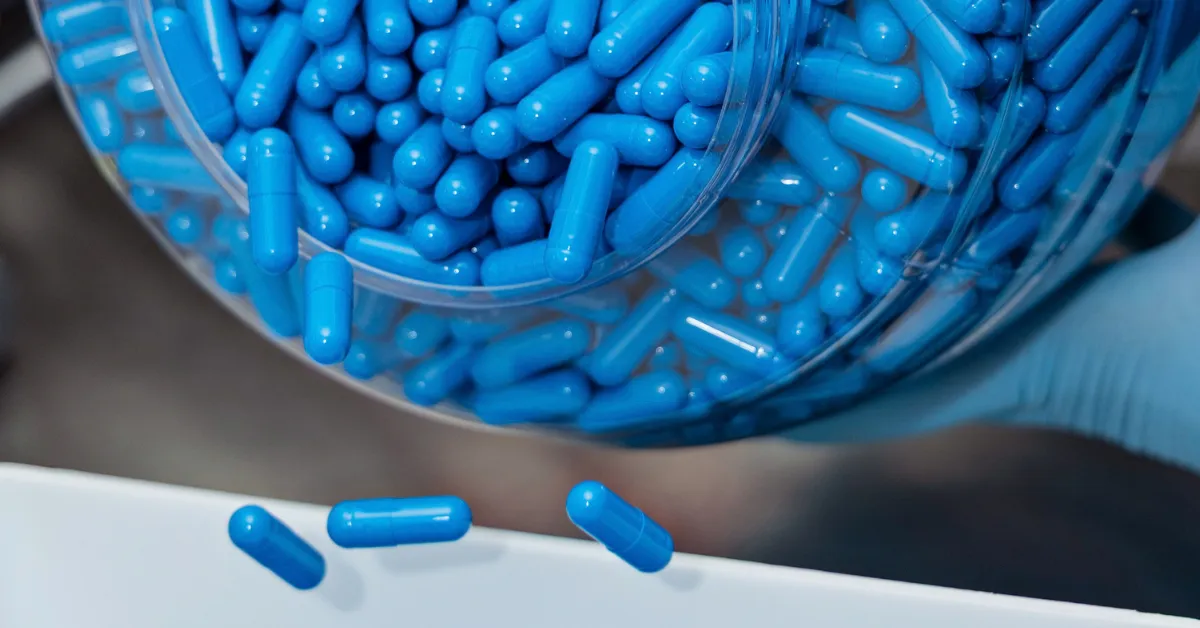
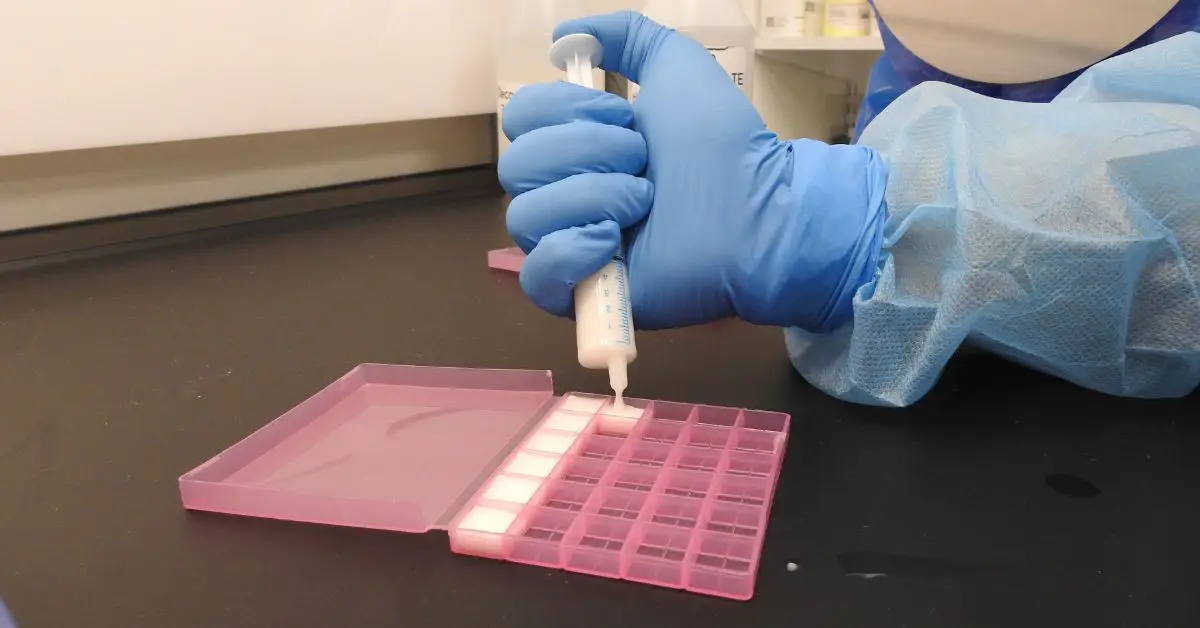
Quality of compounded methylene blue capsules is important.
Methylene blue is prescribed in various dosage forms for different conditions in medicine, yet when practitioners want to prescribe capsules, patients have a hard time finding them. The capsule form of methylene blue isn’t commercially manufactured by a drug company, therefore, it won’t be found at standard “big box” retail pharmacies. Methylene blue should be compounded at a high-quality compounding pharmacy, one that is PCAB certified.
It is important to use a pharmacy that is experienced in compounding and uses the highest quality chemicals in compounding, meaning you should verify they are using methylene blue, USP grade, not another technical grade of methylene blue. At Town & Country Compounding, we compound methylene blue on a regular basis. 50-mg capsules are common, but other strengths may be prescribed.
Methylene Blue: Lyme Disease and Bartonella
The bacteria that causes Lyme disease is Borrelia burgdorferi, yet an infection that often accompanies Lyme disease and can cause more distressing symptoms for the patient is Bartonella. This co-infection is difficult to diagnose and very hard to eradicate. While Lyme disease is transmitted mainly by a tick, Bartonella has many vectors.
Methylene Blue: Alzheimer’s Disease
As our bodies age, we have chronic weakening in our circulatory system. This decreases the blood flow (therefore, oxygen supply) to the brain. Crucial to this process is cytochrome oxidase (CO), a mitochondrial enzyme that catalyzes a cell reaction vital to aerobic energy production.
Drug Interactions
Methylene blue may interact with medications that affect serotonin levels and other neurotransmitter systems. Caution is advised when used in combination with the following drug categories:
- SSRIs (Selective Serotonin Reuptake Inhibitors)
- SNRIs (Serotonin-Norepinephrine Reuptake Inhibitors)
- TCAs (Tricyclic Antidepressants)
- MAOs (Monoamine Oxidase Inhibitors)
Research on Methylene Blue and Its Effects on Alzheimer’s Disease
Podcast Interviews with Dr. Francisco Gonzalez-Lima
Drive with Dr. Peter Attia: #38
Francisco Gonzalez-Lima, Ph.D.: Advancing Alzheimer’s disease therapy and prevention — Is AD actually a vascular and metabolic disease?
STEM-Talk: Episode 107
Francisco Gonzalez-Lima discusses methylene blue and near-infrared light as therapies for cognitive disorders.
Decoding Superhuman Podcast
Methylene Blue with Dr. Francisco Gonzalez-Lima and host Boomer Anderson.
"The safest option is pharmaceutical grade methylene blue, for which you need a prescription. Never use industrial grade methylene blue (which is often used for cleaning fish tanks), as it is frequently contaminated with heavy metals. Instead, have your physician write you a prescription to a compounding pharmacy. One of the better ones I have found is Town & Country compounding pharmacy."
Dr. Joseph Mercola, osteopathic physician known for natural health and alternative medicine.
More Links to Articles on Methylene Blue
Therapeutic Benefits of Methylene Blue on Cognitive Impairment during Chronic Cerebral Hypoperfusion
“Chronic cerebral hypoperfusion, a risk factor for mild cognitive impairment and Alzheimer’s disease, affects mitochondrial respiration and memory consolidation… Previous studies implicate MB in both memory enhancement and neuroprotection…”
Methylene Blue Preserves Cytochrome Oxidase Activity and Prevents Neurodegeneration and Memory Impairment in Rats with Chronic Cerebral Hypoperfusion
“Chronic cerebral hypoperfusion in neurocognitive disorders diminishes cytochrome oxidase activity leading to neurodegenerative effects and impairment of learning and memory. Methylene blue at low doses stimulates cytochrome oxidase activity and may thus counteract the adverse effects of cerebral hypoperfusion…”
Why would the preservation of cytochrome oxidase be important?