

Low Testosterone Resources


Sending prescriptions to Town & Country Compounding
It's easy for licensed practitioners to prescribe medications for patients using Town & Country Compounding.
Signs & Symptoms of Low Testosterone
Physical
- Weakness/Fatigue
- Hot Flashes
- Disturbed Sleep
- Osteoporosis
- Heart Disease
Sexual Health
- Reduced Libido
- Erectile Dysfunction
- Low Sperm Count
- Premature Ejaculation
- Prostate Issues
Body & Mind
- Reduced Muscle Mass
- Increased Body Fat
- Depression/Anxiety
- Reduced Cognition Irritability
Low "T", Men's Health, and Erectile Dysfunction
Men worldwide suffer from problems concerning sexual health like erectile dysfunction (ED), low testosterone (Low-T), libido issues, and more. Sexual issues can lead to an array of other issues, whether physically, emotionally, or mentally.
Failure to address these issues may be detrimental in socialization, relationships, and other aspects that bring quality to life.
Learn more about erectile dysfunction (ED) here →
Compounded Medications
Testosterone Creams & gels
When applied to the skin every day, these products offer a tailored strength. They are easy to use and provide a non-invasive solution.
Testosterone Injections
Compounded cypionate offers flexible dosing intervals for precise hormone optimization.
Clomiphene / Enclomiphene
Enclomiphene citrate is a compounded oral capsule that works by stimulating the body’s own hormone signals to naturally boost testosterone production.
Testosterone + DHEA / Pregnenolone
Comprehensive combinations that target multiple hormone pathways at the same time.
Testosterone Absorption Issues?
We have a compounding gel base available that helps provide superior testosterone delivery in men.
Atrevis™ Hydrogel
Independent testing showed that testosterone compounded into Atrevis™ Hydrogel base delivered more testosterone through the skin than other tested compounding bases. Our formulas range from concentrations of 0.5% up to 20%.
Low testosterone can be fairly complex, involving a myriad of factors including the inability of the testes to produce sufficient testosterone, improper brain signaling, and excess estrogen.
Town & Country Compounding can make a customized dose of topical testosterone gel in various strengths.
Rigorous protocols lead to excellent patient outcomes.
Video: Atrevis™ Hydrogel
Nutritional Supplements for Men’s Sexual Health
Good blood flow is essential for good erectile functioning, which may be enhanced with Nitric Oxide (NO) supplements.
Do you need Nitric Oxide nutritional supplementation?
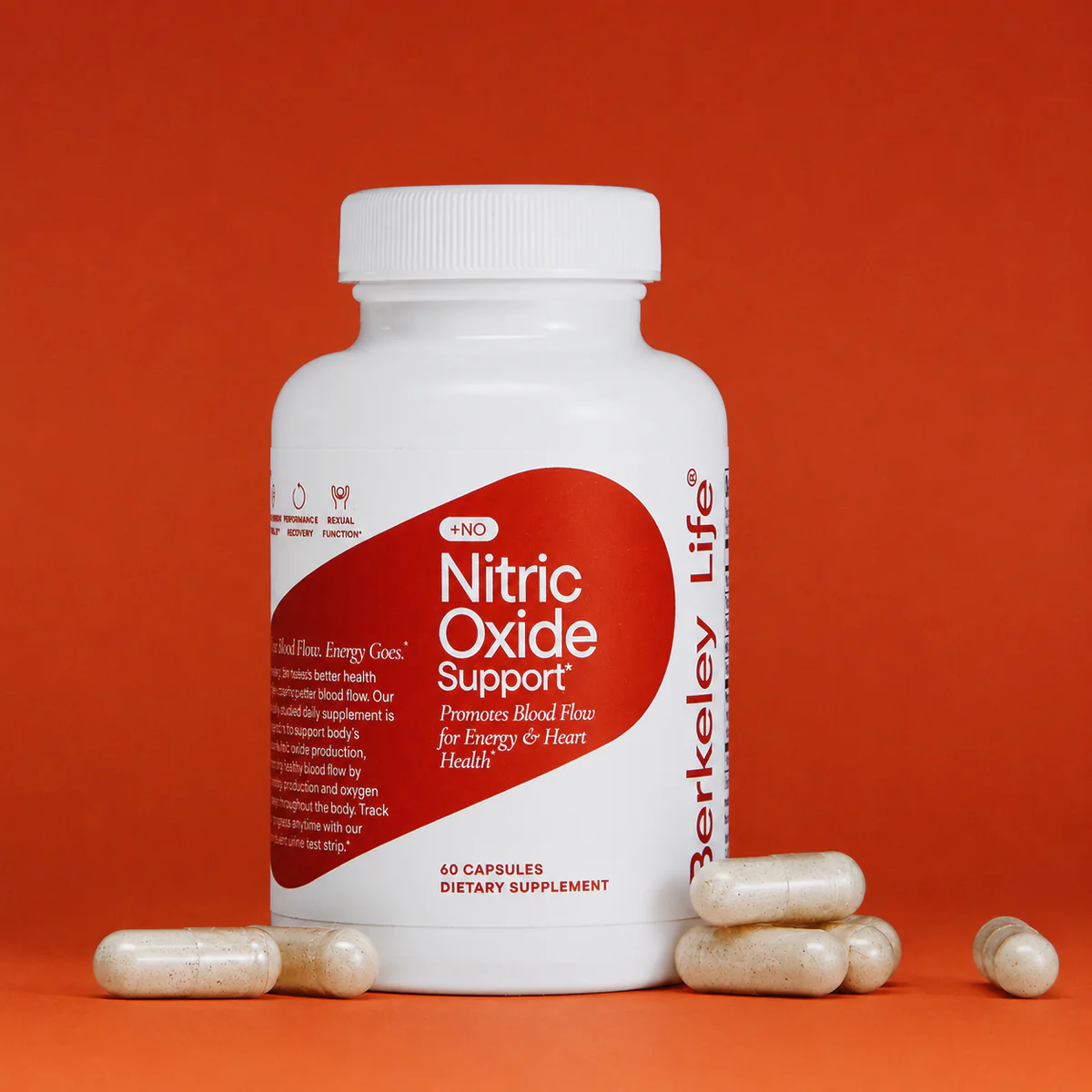
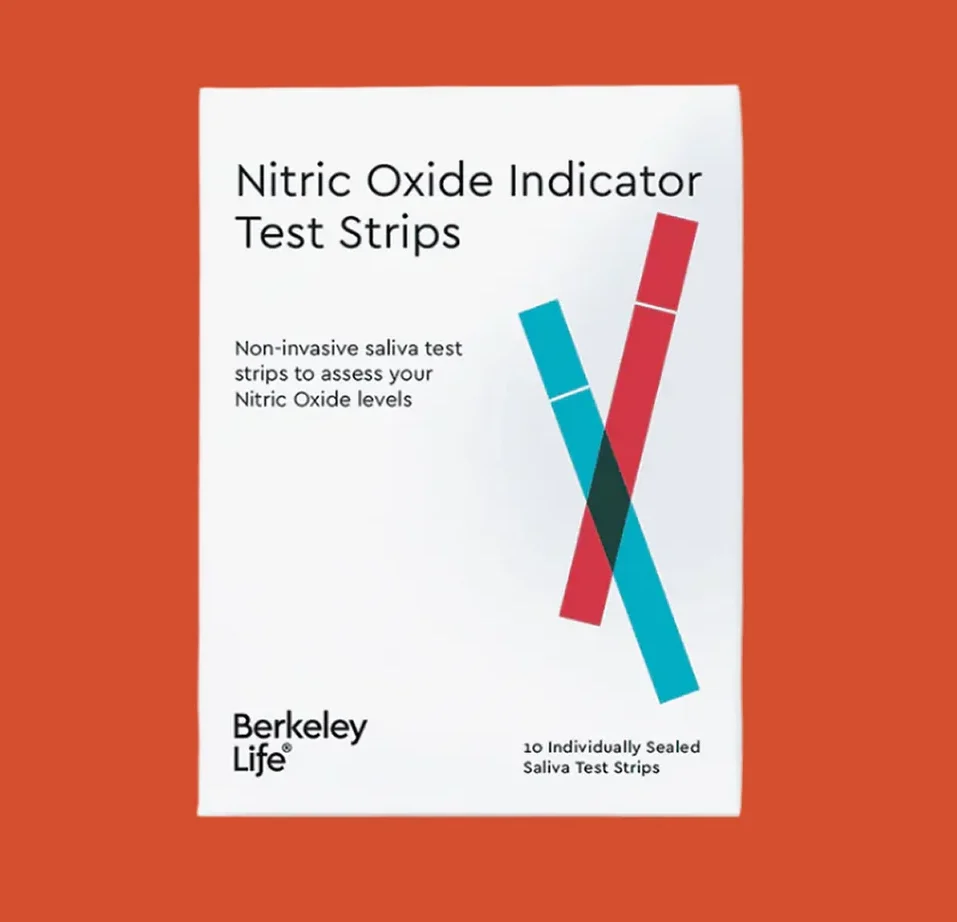
Town & Country Compounding can ship Nitric Oxide Supplements directly to your door.
Know Your Hormone Levels
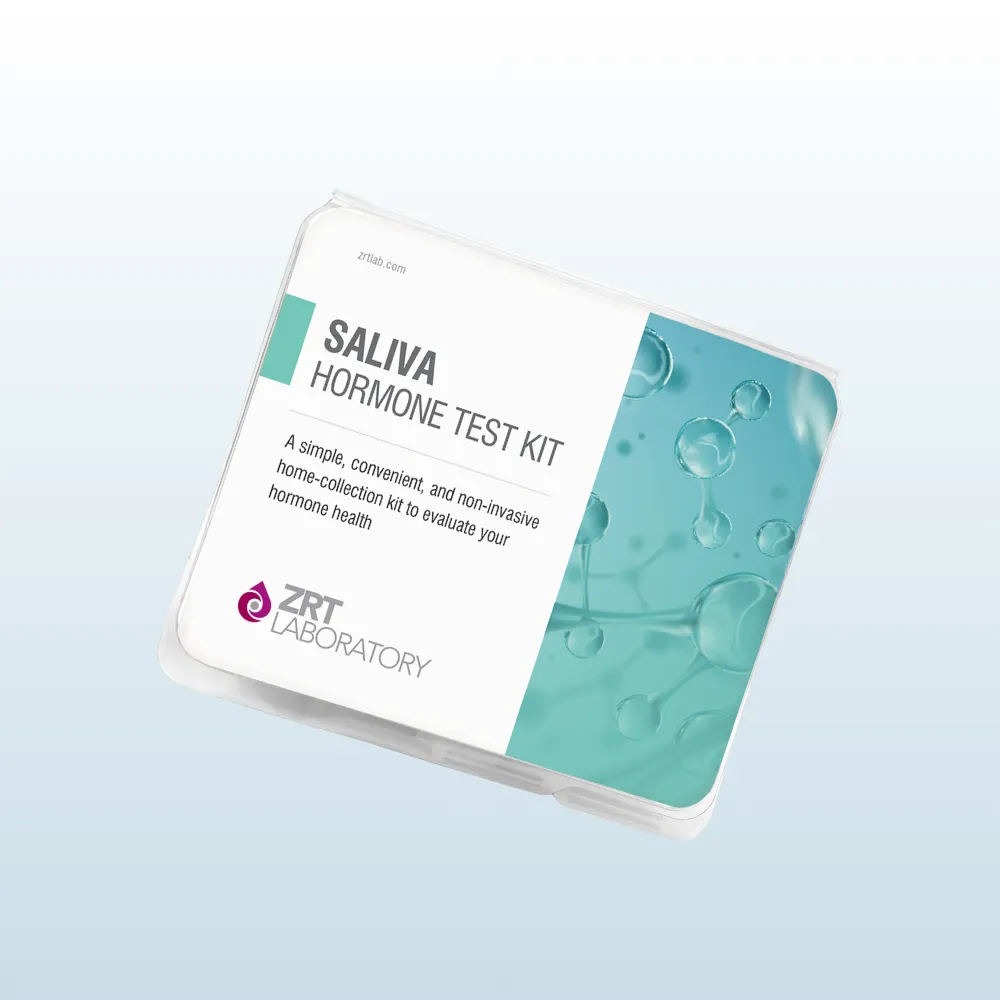
Saliva Test (S-141)
Hormones regulate your energy, strength, mood, sleep, and sex drive. When they’re off, you feel it. This at-home saliva test gives you a complete picture of what’s really going on.
- Test from home — no doctor’s appointment needed
- Measures Estradiol, Progesterone, Testosterone, DHEA-S, and Cortisol (4 samples throughout the day)
- Ideal for evaluating hormone balance and adrenal stress response in one complete panel No prescription needed
SALIVA HORMONE TEST KIT: A simple, convenient, and non-invasive home-collection kit to evaluate your hormone health ZRT LABORATORY
Prescribers
It's easy to send prescriptions for Low Testosterone to Town & Country Compounding
Not all pharmacies uphold the same standards
Our accreditations place us in the top 1% of compounding pharmacies.

Schedule Consultation Today
Private Consultation for Men's Sexual Health $150
45 minute consultation with a pharmacist
Before Your Appointment
Please complete and submit this questionnaire at least 24 hours before your scheduled consultation.
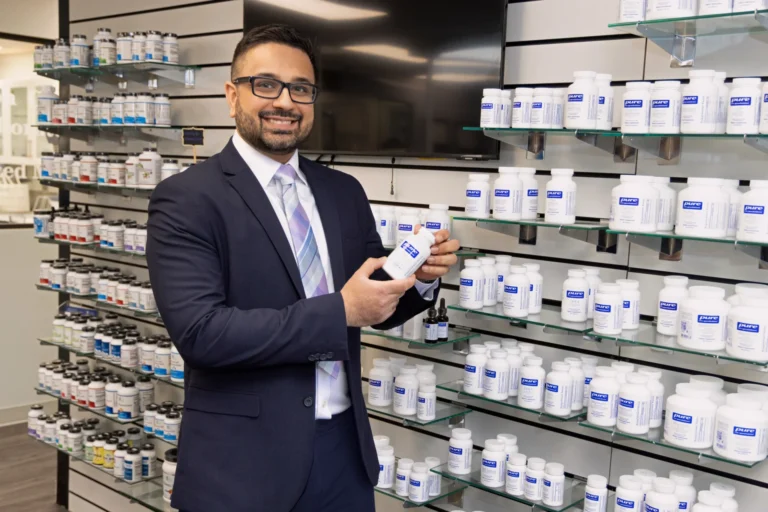
Our pharmacists at Town & Country Compounding specialize in helping with therapies and supplementation for men’s health and erectile dysfunction and are available to do private consultations.
Related Blogs