


Updating the HRT Black Box Warning
What the FDA’s Landmark Decision Means for Women Entering Menopause Today
After more than two decades of fear and confusion, women facing menopause may finally have reason to celebrate. The FDA has announced the removal of broad “black box” warnings from hormone replacement therapy (HRT) products. The historic shift could change the lives of millions of women who have been suffering in silence.
Understanding the change
For years, the dreaded black box warning on HRT medications scared both patients and providers away from potential therapies that could significantly improve quality of life during menopause. These warnings, implemented in the early 2000s, suggested that HRT carried serious risks including heart disease, stroke, breast cancer, and dementia. But here’s what many people don’t know: these warnings were based on data that didn’t represent the women who typically use HRT.

The Women's Health Initiative Study: What went wrong?
The original black box warnings stemmed from the Women’s Health Initiative (WHI) study conducted in the early 2000s. While this study was groundbreaking in scale, it had certain limitations that significantly influenced the results:
- Wrong age group: The average age of participants was 63 years — more than a decade past the typical age when menopause begins (around age 51). These women were already well past menopause when they started HRT. The WHI trials did not require hormone therapy initiation before age 60 years or within 10 years of menopause — when menopausal symptoms are typically most pronounced and a window of opportunity exists before permanent vascular narrowing and hardening occur.
- Synthetic formulations: The study used synthetic hormone formulations, specifically medroxyprogesterone acetate — a particular progesterone formulation that is not in common use today. The increased risk in breast cancer cases observed (1 additional nonfatal breast cancer diagnosis per 1000 women addressed in a year) has been subsequently recognized to be attributed to this specific formulation.
- Misinterpreted results: The increase in breast cancer risk was statistically non-significant, and importantly, clinical trials have never found an increased risk of breast cancer mortality from hormone therapy. Yet these findings created widespread panic.
The problem? The study’s findings were applied to all women, regardless of age or health status, creating what certain health officials now call a “fear machine” that distorted the actual risks and potential benefits of HRT. Starting in January 2003, the FDA began instituting class-wide labeling changes that eventually included boxed warnings describing risks of cardiovascular disease, thromboembolism, breast cancer, and probable dementia — without stratifying by age of initiation.
What more recent research shows
After a comprehensive review of scientific literature, the July 2025 FDA Expert Panel, and public engagement via Federal Register docket, the FDA concluded that for healthy women starting HRT near the onset of menopause (generally before age 60 or within 10 years of menopause), the potential benefits may significantly outweigh the risks.
Multiple landmark studies have helped clarify the picture and establish the critical importance of timing:
The KEEPS (Kronos Early Estrogen Prevention Study)
The KEEPS study specifically examined younger, recently menopausal women — the population that actually uses HRT. This study found that when hormone therapy is started early in menopause (within three years), it does not increase cardiovascular risk and may actually provide protective benefits. The participants in KEEPS were healthier and younger than those in WHI, providing much more relevant data for women considering hormone therapy at the appropriate time.
The ELITE study (Early versus Late Intervention Trial with Estradiol)
The ELITE study further reinforced the “timing hypothesis” — the concept that when you start hormone therapy matters tremendously. This research demonstrated that women who began estrogen therapy within six years of menopause showed potential cardiovascular benefits and less progression of atherosclerosis (hardening of the arteries) compared to those who started therapy more than ten years after menopause. When hormone therapy is given later, the potential cardiovascular benefits appear to invert.
The evidence is compelling
Current evidence suggests that hormone therapy initiated within a decade of the onset of perimenopause has been associated with numerous potential long-term health benefits. Women who begin HRT during this “window of opportunity” may experience:
- 25–50% reduction in fatal cardiovascular events (the leading cause of death in women)
- 50–60% reduction in bone fractures
- 64% reduction in cognitive decline
- 35% reduction in Alzheimer’s disease risk
- Reduced all-cause mortality in the subsequent decade
As the recent JAMA publication notes, “With the exception of antibiotics and vaccines, there may be no medication in the modern world that can improve the health outcomes of older women on a population level more than hormone therapy.”
As FDA Commissioner Dr. Marty Makary stated, “Tragically, tens of millions of women have been denied the life-changing and long-term health benefits of hormone replacement therapy because of a medical dogma rooted in a distortion of risk.”
Why estrogen matters
Estrogen isn’t just one hormone — it’s a key player in nearly every system in a woman’s body. When estrogen levels decline during menopause, women don’t just experience hot flashes and night sweats. The effects ripple throughout the body, affecting:
- Brain function and mood
- Bone density
- Heart health
- Muscle strength
- Sleep quality
- Skin and tissue health
- Genitourinary health
As Dr. Alicia Jackson, Director of the Advanced Research Projects Agency for Health, explains: “Estrogen is a key hormone for women’s health. Every single part of a woman’s body depends on estrogen to operate at its best — including the brain, bones, heart, and muscles.”
Understanding bioidentical hormone therapy
While the FDA’s announcement focuses on conventional HRT products, many women are also interested in bioidentical hormone replacement therapy (BHRT). But what does “bioidentical” actually mean?
Bioidentical hormones are compounds that have the exact same molecular structure as the hormones naturally produced by your body. Unlike synthetic hormones, which may have slightly different structures, bioidentical hormones interact with your body’s receptors in the same way your natural hormones do. Today, hormone therapy is available in formulations that do not appear to carry the same increased risk of blood clots or breast cancer that was seen in earlier studies.

What's changing with FDA labeling
The FDA’s hormone therapy label updates represent a meaningful shift toward more nuanced, evidence-based communication. These changes include:
- Removal of boxed warnings for cardiovascular disease, stroke, breast cancer, and probable dementia from most HRT products
- Exception: The boxed warning for endometrial cancer with unopposed estrogen in women with a uterus remains, as this serious risk can be mitigated by adding a progestogen
- Removal of the “lowest dose, shortest duration” recommendation — therapy decisions are individualized and fall within clinical judgment
- Tailored safety information that reflects risks most relevant to each specific type of hormone therapy product
- Timing guidance for systemic hormone therapy: labels will include updated guidance on initiating therapy in women younger than 60 years or within 10 years of menopause onset
- Distinction between topical and systemic therapies: For topical vaginal estrogen-only products, the emphasis is on safety findings most relevant to topical vaginal use, not the broader warnings associated with systemic exposure

PART 1: FDA Direct: Removing Black Box Warnings for HRT

PART 2: FDA Direct: Removing Black Box Warnings for HRT
PART 2: FDA Direct: Removing Black Box Warnings for HRT
PART 1: FDA Direct: Removing Black Box Warnings for HRT
Town & Country Compounding: Your partner in women's health
At Town & Country Compounding, we specialize in creating customized bioidentical hormone therapy tailored to each woman’s unique needs.
We don’t believe in one-size-fits-all medications because we know that every woman’s hormonal journey is different.

Quality you can trust
When it comes to hormone therapy, quality matters. Our compounding pharmacy adheres to the highest standards to ensure that we formulate every prescription precisely to your specifications. We compound quality because your health deserves nothing less.
Our commitment to quality includes:
- FDA-Approved Bulk Chemicals: We use only bulk chemicals sourced from FDA-approved vendors, ensuring the highest quality ingredients in every formulation.
- Triple Accreditation: Town & Country Compounding is accredited by:
- NABP (National Association of Boards of Pharmacy)
- PCAB (Pharmacy Compounding Accreditation Board)
- ACHC (Accreditation Commission for Health Care)
These accreditations represent the gold standard in compounding pharmacy practice, demonstrating our commitment to safety, quality, and excellence in every prescription we prepare.
Meet our director of women’s health: Jari Becker, RPh
We’re proud to have Jari Becker, RPh, as our Director of Women’s Health. With extensive expertise in hormone therapy, Jari provides personalized hormone consultations to help you understand your options and find the right therapy plan for your individual needs. She takes the time to listen to your symptoms, review your health history, and work collaboratively with you and your healthcare provider.
Jari also collaborates directly with healthcare providers to guide patient therapy when needed, offering her clinical expertise to support optimal outcomes. Whether you’re a patient seeking guidance or a provider looking for compounding expertise, Jari is here to ensure every woman receives the personalized care she deserves.

Know your levels: Saliva testing
Wondering where your hormone levels actually stand? We offer saliva testing kits that measure your bioavailable hormone levels — the hormones that are actually active and available for your body to use. This testing provides valuable insights that can guide your therapy decisions and help monitor your progress.
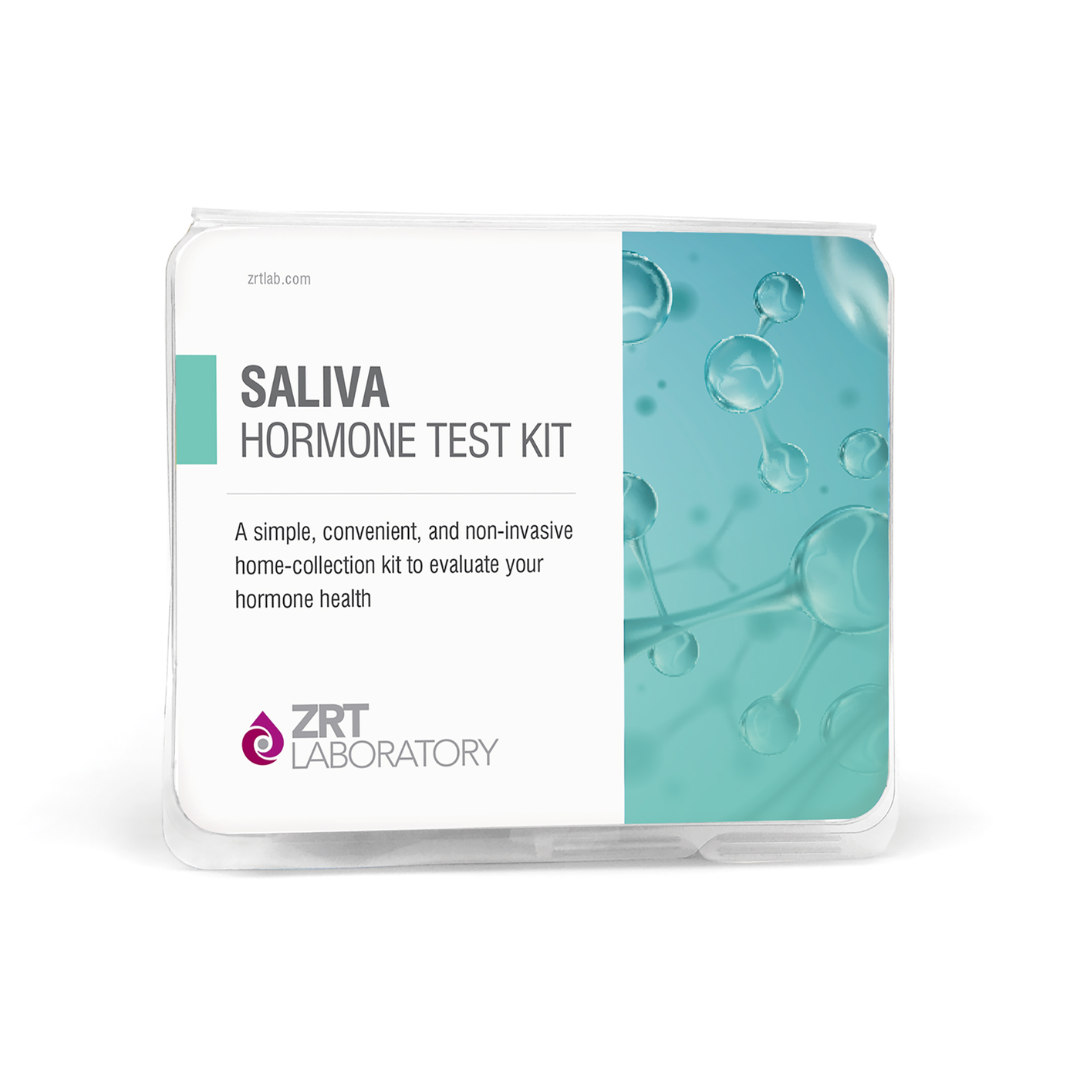
Female/Male Saliva Profile I, II, III (Saliva Testing Kits)
A saliva test measures free hormone and its multipoint versatility makes it a better measure than serum for evaluating unsupplemented hormone status.
ENTER FOR A CHANCE TO WIN SALIVA HORMONE TEST KIT
Plus, receive a complimentary 15-minute consultation with Jari Becker, RPh.
What this means for you
If you’ve been suffering through menopause symptoms because you were afraid of HRT, or if your healthcare provider was hesitant to prescribe it, this FDA decision changes the conversation. The new labeling will clarify that for healthy women starting HRT near menopause, the risks may be manageable and the benefits may be substantial.
However, it’s important to note that HRT isn’t right for everyone. This is why individualized care and open communication with your healthcare provider are essential. As the FDA notes, all of the underlying adverse event information will continue to appear in the package insert, and therapy decisions should be individualized and fall within the clinical judgment of a clinician in discussion with a patient.
Moving forward with confidence
Secretary of Health and Human Services Robert F. Kennedy Jr. summed it up perfectly:
“Today, we are standing up for every woman who has symptoms of menopause and is looking to know her options and receive potentially life-changing therapy. We are returning to evidence-based medicine and giving women control over their health again.”
For too long, women’s health concerns have been minimized or dismissed. This FDA decision represents a significant step toward evidence-based, personalized care that respects women’s experiences. It empowers them to make informed decisions about their bodies. The FDA estimates that these changes may reduce the outsized fear that has prevented approximately 50 million women from the potential short- and long-term health benefits of this therapy.
Take the next step
If you’re experiencing menopause symptoms and wondering whether hormone therapy might be right for you, we encourage you to:
- Talk to your healthcare provider about your symptoms and health history
- Schedule a 45-minute consultation with Jari Becker, RPh, to explore bioidentical hormone options
- Get baseline hormone testing to understand your current hormone levels with our convenient at-home saliva testing kit and comprehensive analysis.
- Ask questions via text or call at 201-447-2020 and advocate for your health — you deserve answers and options
- Request our FREE BHRT Information Packet and enter to win a Profile III Saliva Test Kit that measures your estradiol, progesterone, testosterone, DHEA, and 4-point cortisol—a $260 value! Plus, receive a complimentary 15-minute consultation with Jari Becker, RPh.
At Town & Country Compounding, we’re here to support you through every stage of your hormonal health journey. Because when it comes to your wellbeing, you deserve personalized care backed by quality compounding and the latest scientific evidence.
The removal of black box warnings doesn’t mean HRT is without risks—it means those risks have been properly contextualized based on current evidence. Always consult with your healthcare provider to determine if hormone therapy is appropriate for your individual situation.
Contact Town & Country Compounding today to schedule your hormone consultation with Jari Becker, RPh, and take control of your menopausal health.
References
- U.S. Department of Health and Human Services. (2025, January 14). HHS Announces Historic Action to Remove “Black Box” Warnings from Menopausal Hormone Replacement Therapy Products. Retrieved from link
- U.S. Food and Drug Administration. (2025, January 14). FDA Requests Labeling Changes Related to Safety Information to Clarify the Benefit/Risk Considerations for Menopausal Hormone Therapies. Retrieved from link
- U.S. Food and Drug Administration. (2025). FACT SHEET: FDA Initiates Removal of “Black Box” Warnings from Menopausal Hormone Replacement Therapy Products. Link
- Makary, M. A. (2025). FDA Label Changes for Hormone Therapy—A New Chapter in Women’s Health. JAMA. Published online November 10, 2025. Link
- Writing Group for the Women’s Health Initiative Investigators. (2002). Risks and Benefits of Estrogen Plus Progestin in Healthy Postmenopausal Women: Principal Results From the Women’s Health Initiative Randomized Controlled Trial. JAMA, 288(3), 321–333. Link
- Rossouw, J. E., Aragaki, A. K., Manson, J. E., et al. (2025). Menopausal Hormone Therapy and Cardiovascular Diseases in Women With Vasomotor Symptoms: A Secondary Analysis of the Women’s Health Initiative Randomized Clinical Trials. JAMA Internal Medicine. Published online September 15, 2025. Link
- Chlebowski, R. T., Anderson, G. L., Aragaki, A. K., et al. (2020). Association of Menopausal Hormone Therapy With Breast Cancer Incidence and Mortality During Long-term Follow-up of the Women’s Health Initiative Randomized Clinical Trials. JAMA, 324(4), 369–380. Link
- Kim, J. E., Chang, J. H., Jeong, M. J., et al. (2020). A Systematic Review and Meta-analysis of Effects of Menopausal Hormone Therapy on Cardiovascular Diseases. Scientific Reports, 10(1), 20631. Link
- Manson, J. E., Chlebowski, R. T., Stefanick, M. L., et al. (2013). Menopausal Hormone Therapy and Health Outcomes During the Intervention and Extended Poststopping Phases of the Women’s Health Initiative Randomized Trials. JAMA, 310(13), 1353–1368. Link
- Barrett-Connor, E., & Bush, T. L. (1991). Estrogen and Coronary Heart Disease in Women. JAMA, 265(14), 1861–1867. Link
- Weiss, N. S., Ure, C. L., Ballard, J. H., Williams, A. R., & Daling, J. R. (1980). Decreased Risk of Fractures of the Hip and Lower Forearm With Postmenopausal Use of Estrogen. New England Journal of Medicine, 303(21), 1195–1198. Link
- Bagger, Y. Z., Tankó, L. B., Alexandersen, P., Qin, G., Christiansen, C., & PERF Study Group. (2005). Early Postmenopausal Hormone Therapy May Prevent Cognitive Impairment Later in Life. Menopause, 12(1), 12–17. Link
- Paganini-Hill, A., & Henderson, V. W. (1996). Estrogen Replacement Therapy and Risk of Alzheimer Disease. Archives of Internal Medicine, 156(19), 2213–2217. Link
- Harman, S. M., Black, D. M., Naftolin, F., et al. (2014). Arterial Imaging Outcomes and Cardiovascular Risk Factors in Recently Menopausal Women: A Randomized Trial. Annals of Internal Medicine, 161(4), 249–260. [KEEPS Study]
- Hodis, H. N., Mack, W. J., Henderson, V. W., et al. (2016). Vascular Effects of Early Versus Late Postmenopausal Treatment With Estradiol. New England Journal of Medicine, 374(13), 1221–1231. [ELITE Study]