

Low-Dose Naltrexone
Exploring the science, mechanisms, and emerging research behind an off-label immunomodulatory approach
Low-dose naltrexone (LDN) has attracted growing attention within both medical communities and patient advocacy groups as an off-label approach for managing various inflammatory and autoimmune conditions. While naltrexone received FDA approval in 1984 for addressing opioid and alcohol addiction at doses of 50–100 mg daily, research has revealed that much smaller doses — typically ranging from 1.5 to 4.5 mg daily — may produce entirely different effects in the body. These lower doses appear to work through mechanisms that are fundamentally distinct from those seen with standard naltrexone therapy.
How low-dose naltrexone works in the body
The mechanisms through which LDN operates differ substantially from standard-dose naltrexone. When taken at low doses, naltrexone binds partially to opioid receptors (specifically μ, κ, and δ receptors) for only 2–6 hours per dose, which stands in contrast to the 24-hour binding seen with higher doses.
This brief, transient blockade appears to trigger a compensatory response in the body, leading to increased expression of opioid receptors and enhanced production of the body’s natural opioids, particularly β-endorphins and methionine-enkephalin.
Beyond its effects on opioid receptors, LDN also interacts with Toll-like receptor 4 (TLR-4), a receptor that plays a central role in inflammatory processes throughout the body. This interaction appears to influence microglial cells within the central nervous system, potentially reducing the release of various inflammatory signaling molecules. Additional research suggests that LDN may influence the activity of T-cells and B-cells, affect the production of inflammatory markers such as tumor necrosis factor, and modify how macrophages function within the immune system.
- The receptor blockade pattern favors κ receptors over μ receptors and appears to decrease various inflammatory mediators while also reducing sensations of itching. Research has indicated that individuals with autoimmune diseases often have lower-than-normal concentrations of endogenous endorphins, and therapies with LDN have been associated with restoration of serum enkephalin levels, which correlates with clinical improvements in some studies.
Conditions being explored for LDN therapy
Inflammatory skin conditions
Research has explored LDN across multiple inflammatory skin disorders. In Hailey-Hailey disease, a condition that often proves difficult to address with conventional approaches, some studies have documented positive responses where topical corticosteroids, systemic retinoids, and immunomodulators were unsuccessful.
Other dermatologic conditions that have been examined in relation to LDN include Darier disease, chronic itching, lichen planus, psoriasis, dermatomyositis, hidradenitis suppurativa, and body-focused repetition behaviors. Clinical observations have included improvements in disease severity, reduced body surface area involvement, and decreased associated symptoms, though outcomes appear to vary based on individual presentations.
Digestive system disorders
In Crohn’s disease research, one large trial found that 89% of patients given 4.5 mg daily showed improvement, with 33% achieving remission compared to 8% taking placebo. Some research suggests LDN may reduce disease flares, support mucosal healing, and diminish systemic inflammatory markers. However, due to limited data and the absence of large randomized controlled trials, the efficacy has not yet been firmly established through rigorous scientific investigation.
Neurological conditions
Studies involving multiple sclerosis patients have documented reduced fatigue, improved overall health, and minimal side effects with LDN therapy. In experimental autoimmune encephalomyelitis (the animal model used to study MS), LDN restored serum enkephalin levels and reduced both behavioral and pathological signs of disease in laboratory studies.
For myalgic encephalomyelitis/chronic fatigue syndrome (ME/CFS), research suggests that LDN may restore TRPM3 ion channel activity in natural killer cells, which could potentially explain symptom improvements observed in some patients. The LDN Research Trust and various patient communities have been active in documenting these potential benefits.
Chronic pain conditions
Fibromyalgia, now understood as an inflammatory chronic pain disorder, has been examined in LDN research. The medication has also been studied in complex regional pain syndrome, chronic widespread pain, and pain associated with various inflammatory conditions. The proposed mechanism involves modulation of neuroinflammation through glial cell activity, which appears to be unique to low dosages and operates independently from naltrexone’s opioid receptor effects.
Post-COVID syndrome
Given the limited options currently available to address long COVID, many clinicians and specialized long COVID centers have begun exploring LDN based on proposed mechanisms that may involve immune activation, endothelial damage, and neuroinflammation. LDN is currently being evaluated in clinical trials for long COVID, though access often requires out-of-pocket payments and compounding pharmacies.
Cancer research
Emerging research suggests LDN may influence cancer progression through several potential mechanisms: antagonism of toll-like receptors 7-9 leading to suppression of IL-6, modulation of immune function, and potential inhibition of signaling pathways involved in cancer cell regulation. Anecdotal reports of cancer improvement following LDN use have prompted calls for more rigorous clinical trials, particularly examining its use in combination with standard chemotherapy.
Dosing information and practical considerations
The typical LDN dosage ranges from 1.5 to 4.5 mg daily, with some variation depending on the specific condition and the investigating clinician’s protocols. The most commonly studied dose in research is 4.5 mg daily. In the United States, LDN capsules must be prepared by a compounding pharmacy, as these low doses are not available in commercially manufactured products. This requirement may create access barriers for some patients.
Safety profile and tolerability
LDN has demonstrated potentially good safety and tolerability across multiple conditions studied to date. Clinical reports consistently indicate fewer side effects with LDN compared to standard naltrexone doses, though larger studies are needed to optimize dosage protocols and management strategies. Research documents reduced fatigue and improved overall health with minimal adverse effects in many cases.
Individualized dosing and titration approaches
Doses for LDN are highly individualized. Many patients may benefit from a gradual approach to finding their optimal dose. At Town & Country Compounding, we offer LDN titration kits using oral capsules to help patients slowly work their way to their ideal dose.
These titration kits are designed to help patients avoid “overshooting” their dose by starting too high, which can sometimes lead to unwanted effects or reduced therapeutic outcome.
The titration approach enables patients to start their low-dose naltrexone therapy and gradually ease into the dose that is most appropriate for their individual needs. By allowing patients to identify the exact dose that brings improvement to their specific condition, these customized titration kits may enhance the overall success of LDN therapy.
This medication requires a prescription from a healthcare provider.
Choose the right form for LDN Titration
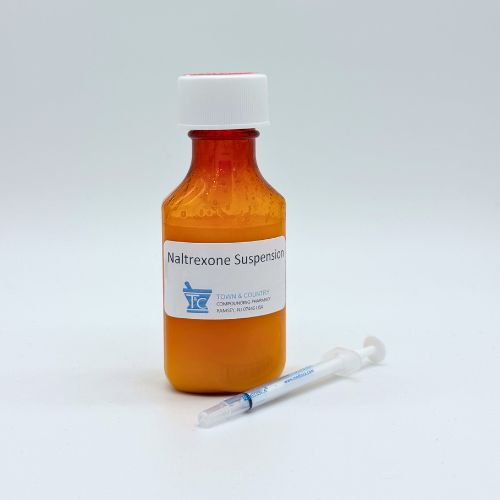
LDN Titration Kits from Town & Country Compounding are available in oral capsules as well as oral liquid.
Our experts work practitioners to formulate the right titration program for each patient’s individual needs.

The importance of quality in compounded medications
When considering LDN therapy, the quality and safety of compounded medications is paramount. Rigorous protocols may lead to excellent patient outcomes, making it essential that patients know where and how their compounded medicines are made.
Accreditation and quality standards
Town & Country Compounding has earned multiple accreditations that demonstrate continuous commitment to meet and exceed official regulatory requirements and standards, resulting in the highest quality of compounded medicine. The pharmacy holds:
PCAB (Pharmacy Compounding Accreditation Board) Accreditation for both non-sterile compounding (USP <795>) and sterile compounding (USP <797>). The PCAB designation demonstrates adherence to the most rigorous compounding standards in the industry.
ACHC (Accreditation Commission for Health Care) Accreditation for Infusion Nursing Services & Infusion Pharmacy Services (including sterile compounding USP <797>). Town & Country Compounding has demonstrated a commitment to providing quality care and services to consumers through compliance with ACHC’s nationally-recognized standards for accreditation.
NABP Verified Pharmacy Program (VPP) Accreditation through the National Association of Boards of Pharmacy. This accreditation is essential for compounding pharmacies, signaling adherence to national quality standards. For patients and practitioners, choosing an accredited pharmacy like Town & Country Compounding helps ensure safety, quality, and compliance with regulatory standards, enhancing trust and professionalism.
Commitment to excellence
Town & Country Compounding’s policies, processes, product testing protocols, and chemicals sourced from FDA-inspected facilities exceed industry standards. These high standards, along with the pharmacy’s recent investment in building a new high-tech, state-of-the-art compounding facility, demonstrate an unwavering commitment to making the highest quality compounded medicine that makes patients better.
For patients seeking LDN therapy, working with an accredited compounding pharmacy that maintains the highest standards of quality control and testing helps ensure that each dose is accurately prepared and meets stringent safety requirements.
Current state of evidence and research limitations
While existing evidence supports the safety and tolerability of LDN in conditions such as multiple sclerosis, fibromyalgia, and Crohn’s disease, fewer studies have demonstrated efficacy using objective clinical measures. Most published studies have focused on subjective measures such as quality of life assessments or self-reported pain levels, though these do show benefits compared to placebo in some trials.
Published trials generally have small sample sizes, and few studies have been replicated by independent research groups. Further randomized controlled trials with larger patient populations are needed to establish the efficacy of LDN across various disease states. Despite initial promising findings, the use of LDN for chronic disorders remains highly experimental and is not yet considered standard medical practice.
The influence of patient communities
The LDN Research Trust and various online patient communities have played a significant role in advancing awareness about LDN. These groups create educational resources and documentaries, helping to fill gaps in scientific literature that resulted from limited research funding following patent expiration. Clinicians have documented anecdotal successes in conditions including multiple sclerosis, Crohn’s disease, cancer, HIV infection, and AIDS. Although these reports require validation through controlled clinical trials.
Looking forward
LDN represents a topic of ongoing investigation as a potential immunomodulatory agent for inflammatory and autoimmune conditions, chronic pain disorders, and possibly cancer therapy.
As a daily oral therapy, it is relatively inexpensive and appears to be well-tolerated in many patients. However, its use remains experimental, and healthcare providers should carefully evaluate whether it represents an appropriate therapeutic option for individual patients. The medication may represent one of the first glial cell modulators explored for chronic pain management. Continued rigorous research is essential to establish its role within evidence-based medical practice.
References
- Ekelem C, Juhasz M, Khera P, Mesinkovska NA. Utility of Naltrexone Treatment for Chronic Inflammatory Dermatologic Conditions: A Systematic Review. JAMA Dermatology. 2019;155(2):229-236. Link
- Zhou MH, Elston DM, Morrison BW, Lipner SR. Low-Dose Naltrexone for Treatment of Dermatologic Conditions: A Clinical Review. Journal of the American Academy of Dermatology. 2025;:S0190-9622(25)02812-9. Link
- Younger J, Parkitny L, McLain D. The Use of Low-Dose Naltrexone (LDN) as a Novel Anti-Inflammatory Treatment for Chronic Pain. Clinical Rheumatology. 2014;33(4):451-9. Link
- Kim PS, Fishman MA. Low-Dose Naltrexone for Chronic Pain: Update and Systemic Review. Current Pain and Headache Reports. 2020;24(10):64. Link
- Zagon IS, McLaughlin PJ. Intermittent Blockade of OGFr and Treatment of Autoimmune Disorders. Experimental Biology and Medicine (Maywood, N.J.). 2018;243(17-18):1323-1330. Link
- Ibrahim O, Hogan SR, Vij A, Fernandez AP. Low-Dose Naltrexone Treatment of Familial Benign Pemphigus (Hailey-Hailey Disease). JAMA Dermatology. 2017;153(10):1015-1017. Link
- Cabanas H, Muraki K, Eaton-Fitch N, Staines DR, Marshall-Gradisnik S. Potential Therapeutic Benefit of Low Dose Naltrexone in Myalgic Encephalomyelitis/Chronic Fatigue Syndrome: Role of Transient Receptor Potential Melastatin 3 Ion Channels in Pathophysiology and Treatment. Frontiers in Immunology. 2021;12:687806. Link
- Patten DK, Schultz BG, Berlau DJ. The Safety and Efficacy of Low-Dose Naltrexone in the Management of Chronic Pain and Inflammation in Multiple Sclerosis, Fibromyalgia, Crohn’s Disease, and Other Chronic Pain Disorders. Pharmacotherapy. 2018;38(3):382-389. Link
- Aisha Gillan MD, Melissa Peace MD, Davin Quinn MD, Jon Levenson MD, Thida Thant MD. Resource Document on the Neuropsychiatric Symptoms of Subacute and Chronic Long COVID. American Psychiatric Association (2024). Link
- Liu WM, Dalgleish AG. Naltrexone at Low Doses (LDN) and Its Relevance to Cancer Therapy. Expert Review of Anticancer Therapy. 2022;22(3):269-274. Link
- Li Z, You Y, Griffin N, Feng J, Shan F. Low-Dose Naltrexone (LDN): A Promising Treatment in Immune-Related Diseases and Cancer Therapy. International Immunopharmacology. 2018;61:178-184. Link